Recovery is not linear

So this week is Mental Health Awareness week. Last year I opened up about my OCD tendencies in this post, but this year I thought I would talk about something that I think will resonate with a lot of you.

Possibly one of the most important things to know if you are coping with a mental illness is that, as the title suggests, that recovery is not linear.

So to use myself as an example:

As many of you know, I am Agoraphobic which means that I struggle in places where I feel trapped. This time around 7 years ago I was housebound after I finished university and with some amazing therapy was able to get myself back out there. Then about 4 years later I struggled, had a bit of a breakdown and ended up quitting my jobs and living off of my savings for a year.

Just before lockdown I was doing really well, I was going and sitting in restaurants with my other half and not having a panic attack and I actually went to a food festival, I was comfortable in a new job. Through lockdown I took on some voluntary work to get me out of the house, but only within my own town really. Now as lockdown is easing, I am struggling a little.

I told myself that I was going to go into the next town over about 10 minutes away on public transport and that went really really well, so last week my next challenge was Nottingham, my closest city. The day I was meant to go I woke up and I felt so sick at the thought of even leaving the house and I didn’t end up going. We are trying again next week though, so hopefully things will go better.

As you can see, I have come a long way from being housebound all those years ago, but it hasn’t by any means been a straight line through to the point I was at before lockdown and honestly I feel like I have taken a step back in recovery.

You know what though, that’s okay.

No one could have predicted that a pandemic or lockdown was on the horizon. My routine has drastically changed, I’ve not been getting out of my comfort zone regularly and I’ve spent most of it not feeling any kind of anxiety at all, just in my little bubble. Now restrictions are easing, it is yet another drastic change being thrust back into society with the pressures of a job and social expectations/events is obviously going to be a bit of a shock.

It’s important to recognise that recovery is not going to happen overnight, it can be frustrating and there are times when it will feel really hard. A big life event might put the brakes on recovery, a little life event might put the brakes on recovery, sometimes you’ll have a good day and a couple of bad days.

There are also a couple of things I would suggest to help you through recovery (again I am not a professional, these are points I have come to realise for myself and I will link some articles at the end for you to do some further research).

  • Make self-care a priority. Self-care isn’t just facemasks and bubble baths. It is about ensuring you are keeping your mental and physical health in check. Reflect on how you are feeling, set boundaries so you don’t take on too much work or enter situations you are not comfortable with, it’s about learning your triggers and how to deal with stressful situations. I will be writing a post about this next week so hopefully that will be of some use to you.
  • Understand that mental health is fluid. No one is doing great all the time, no one is doing terrible all the time. Having days or even long periods where you feel you aren’t at your “peak” is natural. Identifying triggers or stressors can help deal with these situations.
  • You aren’t failing. I felt like this when I didn’t make it to Nottingham, but in reality I’m not failing. I have made massive progress and a little dip isn’t going to change that. I know that it might be a bit of hard work to get to where I’d like to be and I will keep trying until I get there. The fact that I can’t do it right now, means exactly that. I can’t do it RIGHT NOW.
  • Recovery isn’t an end goal. Jade, the Author of the article “Recovery Isnโ€™t Linear: The Importance of Realistic Recovery” put it quite nicely. She said: “Recovery isnโ€™t some big, shiny end goal: it is a journey of constant improvement, growth, and, sometimes, mistakes.”

Remember, we are all dealing with a lot right now. Look after yourself and you’ll get there.


I have linked a few articles and posts from other people on the same topic as well as some relapse prevention resources below:

Itโ€™s not my fault I treated you like that, I have depression

This is something I have been meaning to write about for a while. I feel some people might not agree, but it’s something more people need to understand.

Mental illness is still being stigmatised. Some disorders are misunderstood, others aren’t taken seriously and undermined. Many organisations are yet to put into practice a solid structure and policies to help those with illnesses thrive. We spend so much time raising awareness to others outside the community, we sometimes miss the important issues within.

Some people are using the idea of supporting those with mental illness to their advantage by using it to excuse toxic and abusive behaviours by blaming their diagnoses.

I’m ashamed to admit that before I got help, I was an arsehole and blamed all my anger and toxic behaviour on what I was going through. It wasn’t until I stopped for a minute to evaluate my life, did I realise that I needed to change.

So I’m just going to come out and say it. Mental illness is not a free pass to be cruel or toxic. No matter what your diagnosis, if you are repeatedly negative towards those trying to support you, you need to have a serious look at your actions.

Before I go into what kind of actions I am talking about, I would first like to say that I am not talking about involuntary symptoms. I am explicitly talking about behavioural choices made that negatively impact those around us.

Types of behaviours used to project or misdirect anger/frustration, manipulate people and abuse others are choices.

If you repeatedly say cruel things to others when you are angry or stressed, this isn’t okay.

If you threaten to break up with your partner when you aren’t getting your own way, this isn’t okay.

If someone confronts you about your behaviour and you play the victim, blaming your mental illness and placing guilt tripping them, this isn’t okay.

These behaviours can be changed and must be addressed, because it is not fair to those trying to support you.

If you find yourself constantly hurting people with the things you say or do, it’s important that you reach out for help to tackle this.

If you know you are repeating this pattern of behaviour and someone approaches you about it, don’t immediately call them out for attacking you or bullying. Take some time and reflect on what they have said, is this the case?

In brushing people off and taking no responsibility will ultimately push them away and you’ll find yourself alone.

A year in review

Today I should be coming home from Japan, but as you may have guessed I didnโ€™t get to go. It made me think of how different things are in comparison to last year. This time in 2019 I was taking a year off from work, living off my savings and even though I felt like I had made some progress, I was still over-planning, I was still unable to get to Birmingham and was a 50/50 chance I would get on the plane for my first holiday abroad.

This year I am working, going out for meals, coming off of medication and before COVID hit, I was actually 100% excited to go back to Tokyo. The change in myself is huge. Before lockdown, I was sitting in Yo! Sushi with my partner eating spicy food after a brief meet up with friends. That is something I could have only dreamed of even four months before.

I have a job which I enjoy and look forward to, itโ€™s only part-time but after two six-day weeks with dining out, babysitting and the gym sprinkled in, I have proven to myself that I am able to take on more. I have attended food festivals, dined out and spent more time in Birmingham. I honestly owe a lot to my holiday last year.

No, Iโ€™m not cured. These things do not come easy and some days I still need to mentally prepare myself to walk out the door. I am, however, a lot more confident, a lot happier and I just know I can do whatever I put my mind to. I would say to anyone who is afraid to take the next step, not just in Agoraphobia recovery but in anything. Do it carefully, do it sensibly and you will not regret the decision to just do it. It could change your life.

So whatโ€™s next for me?

Well, I am planning more time away and even a solo holiday, but that may be a little further in the future. Iโ€™m getting out more, Iโ€™m hoping to be more confident around food and I MIGHT even socialise but letโ€™s not get hasty.

Where have I been?

So I haven’t posted in a while, but that will change soon. I have about 35 posts to write and schedule and PLENTY of ideas for future posts and series, so hopefully by the end of the month we’ll be back on it!

I haven’t just been sitting around however, I’ve:

  • Opened two online stores on Spreadshirt, one looking specifically at mental health and the other is for home decor posters to frame. I’ll put my links on the site once I have reworked some of the designs. (I’m hoping to open an online store with home made mental health stuff, but I need to find the time!)
  • Collaborated with a mental health team to give one of my items away as part of a their first anniversary celebration.
  • Been creating cool freebies for a mailing list I will be launching later in the month
  • Had one of my posts was published on a website, which is exciting!
  • Taken the next step to getting back on track and have been looking for jobs. Happy to say I have been offered a little part time position in my hometown which is perfect for me right now. I love my team and couldn’t be happier. I’m already feeling more confident.
  • Found a new love…crochet. I’m picking it up quite quickly, so I will be able to show you some of my little creations soon (hopefully!) I’m such a cool person

I’m working out most days now and choosing healthier food options. I’ve put on a fair bit of weight and am aiming to lose 1.5 stone by the end of the year.

As you might also be able to see, I have given the blog a little update. I fancied changing things up so I hope you like it! I’ll be making little changes here and there before I’m truly happy with it, but please give me some feedback.

Also as of today, I am back on the countdown to my next Tokyo Trip in June. I can’t wait and will definitely be writing a lot more about this.

It’s been a busy time.

Overall I am really doing well right now, this blog has given me purpose and I feel very motivated to continue to grow and learn.

Lots of exciting things ahead, so watch this space!

Mental Health vs The Sun

So you’re sat outside in the sun, hanging out in the park. It’s 33c and you are wearing weather appropriate clothing. The next thing you know your anxiety is through the roof and you have to go home. Sound familiar?

Those of you in the UK will know, it’s a bit warm and it’s set to get warmer.

For many it is a time to get to the beach, hang out at the pub or go on an adventure.

Not for all of us.

Hot weather can be tough for a lot of people and for those with mental and physical illnesses it can feel impossible. I saw a few people in the Twitter community who cancelled their plans or cut plans short due to the heat affecting their mental health.

But why is this?


The Science

On a hot day, our body is fighting hard to keep our body temperature within a normal range. In order to cool down, we tend to sweat more and our capillaries dilate to increase the rate of heat loss.

Good stuff.

However, our heart rate also increases and blood pressure rises.
Studies show that hot weather has been linked to higher levels of irritability and lower concentration and mood.

All this combined with a poor quality of sleep due to humidity and heat, is a bad mixture for those with mental health issues.


My Experience

Tiredness, irritability and high heart rate is an unfortunate combination which can culminate in a panic attack. For me feeling hot with an increased heart rate is a sign that I’m panicking. So when I’m too hot, the physical reaction tells my brain I am panicking, when in reality, I’m not. But the thought that I might be panicking, causes me to panic.
I love the human brain sometimes.
So logical.

Increased irritability also makes me less tolerant of people. In a busy place, instead of being calm and working through it, it’s just so easy to get overwhelmed. Again. Panic.


How to help yourself

You may be tempted to just stay inside and avoid making any plans during the hot weather, but do you really want to miss out on a nice day?

While it will take some perseverance, having fun during a heatwave is possible.

Plan accordingly. If you are out in the sun all day you want water and sun cream. Dehydration increases the risk of heat related illnesses and suncream is always important. Dress in a way that makes you feel comfortable, but will also prevent you from overheating. Cotton and linen are good materials as they are light and airy.

Choose your destination. Maybe avoid sitting inside when eating at a restaurant or avoid using the oven when at home. Avoid staying in confined spaces for an extended period of time. Anything that is going to make you feel warmer just be careful. Why not go to the beach, to the park or go swimming?
If you are going to be somewhere where it will be warmer, keep drinking water and maybe splash your face from time to time to stay cool.

Helpful purchase. A small handheld electric fan can be a lifesaver, especially if you find yourself on public transport or a busy place. Make sure you pack some spare batteries!

Working? Again wearing light clothing, ensuring that you have access to a fan and eating cooler foods such as a salad can make a big difference. Take frequent breaks and If you do feel like the heat is affecting your health make sure you let your boss know. Employees have a right to a safe working environment.

Remind yourself that if you are feeling hot, you are not panicking. It’s just hot. Then maybe take some time inside or in the shade to cool down.

These things all sound relatively basic, but taking extra care in the heat can really help you face a hot day.

Last but certainly not least, be kind to yourself.
Being too hot isn’t a pleasant experience for anyone and it can be daunting to make plans in the midst of a heatwave. If you need to head home for a shower or need a couple of minutes in front of a fan, that’s okay. Don’t make yourself ill.

Also as a side note, make sure you check on elderly or vulnerable neighbours and family during the heat to make sure they have the means to stay cool.

Stay safe and look out for each other my dudes and dudettes!

5 Little Signs Of Depression

Now I want to make this very clear. This is not a diagnosis. There are many other things these symptoms could indicate. If you are worried about any changes you have noticed or feel something is not quite right, please speak to a GP.

I want to make a blog post around this topic as depression is often spoken about as sadness and not getting out of bed. If you find yourself struggling in your day to day life, it might be good to speak to a professional.


Aches and pains

While researching for this post, I came across this symptom that I wasnโ€™t aware of.
Muscle aches can be an indicator of psychological distress. While research in this area is limited, there have been some recent studies suggesting a direct link between muscle ache and depression. Click here, here and here for more information. Obviously muscle aches can be the result of a number of different ailments, but keep an eye on any other symptoms that may present.

Can’t make up your mind

Having trouble making the simplest of decisions? It could be fear of making the wrong one, it could be low self-esteem. It could be depression. Depression can cause cognitive impairments such as an effect on decision making and memory. There has been a lot of research looking into this, I feel like I have linked a lot of articles in this blog, so I would really encourage you to go out and do some more research.

You find yourself up at night

You often here tales of people that stay in bed all day with the curtains closed, which can happen. However, insomnia and trouble getting to sleep/staying asleep can be a sign of depression. Bad quality sleep can lead to lack of concentration, irritability and lower cognitive functioning.

Your toilet habits have suddenly changed

Believe it or not, there is a well documented connection between mental health issues and digestive issues. See here, here and here. When it comes to depression, research suggests that constipation and abdominal pain are symptoms to be aware of.
Change in diet, medication, lifestyle change or stress can be factors that contribute to changes in the way your digestive system functions. Again, just keep an eye on it and if it persists, see your GP. Depression or not, it maybe an indicator of other health issues.

You find yourself getting irritated over the little things

Do you find yourself getting angry at the smallest inconvenience? Are you becoming noticeably more irritable? Irritability and anger are commonly overlooked when it comes to depression. There are documented cases of people going years without getting a diagnosis, discussed here. One idea is based on Freudโ€™s theory that depression is anger turned inwards, however other believe that this is a simplistic approach.
There are other conditions that cause people to be quick to anger, however if you find yourself in this position, I would advise speaking with someone. Unresolved maladaptive anger can develop into further issues.


So if you find yourself with any of these symptoms, it may be worth looking into. Depression or not, it might indicate underlying issues, so donโ€™t tell yourself itโ€™s nothing or make an excuse. You might find that a trip to the doctor can make everyday that little easier.

After Life: An Accurate Portrayal Of Grief & Depression?

I know, I know. I’m definitely late to this show. But given the topic of my last post, I thought it would be a good time to review this.

Spoiler warning! If you plan on watching this and don’t want it to be spoiled for you, I would recommend whacking on Netflix and giving it a watch before you read this. There are only 6 episodes and I got through it in one evening.

I thought I was going to watch this an offer my honest thoughts and feelings episode by episode writing as I watched. However after writing it, I decided that I would sleep on it as it was quite an emotional rollercoaster and that I would sleep on it to give a bit more of a clear headed perspective.

So the plot basics, we meet Tony, a guy who has lost his wife during the year to cancer. He has a father who has alzheimer’s, a job he finds unfulfilling and a dog that continuously stops him from killing himself. She also happens to be the cutest dog on the planet. The series covers his life over what looks like a month or so and how he deals with his grief.


The Pros…

I laughed, I cried, like I said it was a rollercoaster of emotion. The situation in general was very similar to what we as a family were going through at the time, so it definitely struck a chord.

The show offers a very unique perspective on grief. Unlike in films where they lay about on the settee eating ice cream and finding the perfect partner at the end, in a way romanticizing it. We are looking at a man who has been through the initial stage of shock and denial and is pining, angry and depressed. It offers a real look into the symptoms of grief and the aftermath of losing someone very close to you in an honest and unapologetic way.
My absolute favourite parts were where Tony is dealing with people in his everyday life that know his situation but can’t relate and he seems so isolated. Then out of nowhere, he has little moments with people who understand and the connection is so bittersweet and raw. For example, when he goes to the house to interview an old man who received 5 of the same card for this birthday. He initially is uninterested and thinks that this is a complete waste of his time. The old man then reveals that his wife has died and that it’s funny little stories like this he wants to tell her and then remembers that she is no longer there. But little things like getting these 5 cards that just make his day a little brighter.

We also get into the darker side of grief. Julian is a homeless drug user that Tony decides to buy heroin from to escape his reality. Tony states that there’s no point in worrying about it as there is nothing to live for, if it gets bad he can always kill himself. As we get further into the series, it is revealed that Julian lost his girlfriend to a drug overdose and this is how he gets through the day, telling Tony that if he had the money he would buy as many drugs as he could and overdose. Tony gives him the money and Julian kills himself. It shows that grief can lead to difficult, mal-adaptive coping behaviours. Without a support network and ways to properly cope with the loss, he lives a life trying to numb the pain and ultimately dies sad and alone.

The whole show has different people coping with loss in different ways, such as the lovely lady, Anne who sits on the bench and chats to her husband’s grave. She teaches him that life isn’t all about him and that making other people happy can ultimately make him happy. There is also a moment in which she says that she loves her husband so much that she would rather she be without him than he be without her. The friendship he builds with her is definitely my favourite.

The theme of depression is also prominent throughout the series. I thought it was very well written and acted. The unwashed dishes, the messy house, the suicidal intent, the anger. I especially liked the bit where he has no dishes and no milk so he just drank watery cereal. For me, it did not portray depression in this romanticised way that is common in today’s society. It was a very real, very uncensored take.

All the characters are really well written and they play an important role on the pathway through grief. I won’t go on about all the bits I loved, but know that it was the majority of the series.


The Cons…

While I did enjoy this show, there were a few things that I personally didn’t gel with.

The ending in which he gets a bike for the kid who he threatened was a little cheesy for my taste, I didn’t really think it was needed, but again just my personal opinion.

Also the psychiatrist he was seeing rubbed me the wrong way. While yes, I did find their interaction funny, I think it was a bad representation of an already fairly stigmatised treatment path. Maybe I am approaching this as a psychology grad, maybe I’m being too serious about this, but instead of ending where it turns out the psychiatrist has been enabling him to find his own path, it just ends where he decides he no longer needs to go anymore and offers a better insight than as to how he should cope and why. Not everyone needs professional help, but I think indicating that it is unhelpful isn’t the best way to approach this.

Another issue I had was the scenes where Tony is smoking heroin. The drug taking thing does not bother me at all and like I said earlier it shows the darker side of grief and coping with depression. My issue is that it was heroin, one of the most addictive drugs out there. A one hit and you’re hooked kinda deal. It seemed that even after taking heroin twice, there was no consequences and I feel like it was kind of treated like weed. Now there will be a second season, so maybe this will look at the drug addiction thing, but they have already broached this subject with Julian, so guess we will have to wait and see.

Linking to this and as I mentioned in part of the pros section, Tony has developed a kind of friendship with his drug dealer and eventually gives him the money he needs to overdose. I don’t feel like there is much of a reaction. While I think he feels that he had done the right thing because he knows what the dealer is feeling, there is no remorse even after he finds his own path through grief and he just carries on like he hasn’t just committed manslaughter. I kind of get it, but at the same time I think it was kinda swept under the carpet a little bit. Again though, there is a season 2, so maybe it will build on this.

One of the main issues for me is that although it was a great show, it did feel like the whole process was rushed. From multiple almost suicide attempts, anger and stating that the only thing that could make him happy is having his wife back, to going out for a drink with someone and moving into acceptance within a couple of episodes. It did feel a little rushed for me, but that might not have been the case for everyone. They did show the struggle and they did it very well, but I feel one like one minute he was going to drown himself in the sea and taking heroin and the next minute he is buying bikes for kids and asking people for drinks.


Final Verdict…

There were a few reviews I was looking at when writing this post that said that it was unrealistic and said “so he thinks it’s okay to treat people like crap just because he has lost someone? I switched off” And I have to say, I completely disagree with them. As mentioned in my previous post, grief is a very personal thing and the show really reflects the anger, the frustration, the wanting to be left alone and the maladaptive behaviours that can come with losing someone. I feel like maybe if you haven’t experienced loss like this, you might not get as much out of it. I would definitely give this one a watch though. While it may not be perfect and maybe a little rushed, it is not afraid to tackle very real topics and do them justice, while injecting Ricky’s dry and sarcastic humour.

Overall, I would give this show a 8/10 and can’t wait for the second season.

Coping With Loss: A Guide For All

Losing someone in your life is never an easy thing. Whether it be your mum, your grandparent or your dog, loss affects us all. Despite this, it is still a taboo subject in many cultures and it is common to try to distance yourself from the topic of death.

This blog aims to be a guide for those who have lost someone, those who are supporting them and employers. I am not a health professional and therefore I have linked various websites throughout the post that expand on things I mention.

Before I talk about how to cope with loss, I would first like to define the words surrounding this topic.


Bereavement
This term is regularly used interchangeably with the term grief or mourning. However, I will be using it to describe the time after loss in which grief is experienced and mourning rituals take place.

Grief
I will be using the term grief to describe the reaction to loss. A mental, emotional, social and physical reaction. This can take shape in a number of ways depending a lot on the way a person passed, your beliefs and age.

Mourning
I will be using this term to describe the way in which a person overtly expresses grief and the process/rituals of adapting/coming to terms with this change. This again is displayed in many different ways dependent on culture, religion and relationship with the deceased. For example, funerals are a way of mourning,


Types of grief

There are many different types of grief we can experience, but this blog is going to be long enough already, so I will look at the 4 basic types of grief. Click this link to learn about the different types.

Acute Grief
This is experienced directly after loss and can be very intense. For someone experiencing it for the first time, the rollercoaster of emotions can be quite frightening. Be assured that what you are experiencing is completely normal and pretty much expected. Symptoms can include tearfulness, numbness, insomnia, shock, breathlessness, anger and depersonalisation. I have included a link to a fact sheet with a comprehensive list of symptoms here.

From this we will eventually move on to โ€œintegrated grief.โ€ This is where we are able to look back at happy memories of the deceased and the grief we experience is not overwhelming. Many people will often have a more positive outlook during this stage. This is all part of the “uncomplicated grief” process, which I will be discussing next. Others may move into complicated grief, which I will speak about later.

Uncomplicated Grief
I have also seen this called normal grief, however I wonโ€™t be using that term. Grief is a very personal thing that can present in different ways, so for that reason I will refer to it as โ€˜uncomplicated grief.โ€™

Many people know the 5 stages of grief to be denial, sadness, anger, bargaining, acceptance. While these emotions and behaviours can be experienced during the process, this is more of a guide than a rigid structure. Some people may skip backwards and forwards between stages, others may not experience all of these.

There are other models of grief which I have linked here. Grief can last for months or years, some theorise that it is never fully resolved. Birthdays and Christmasโ€™ can be particularly difficult, even years later.

There are physical symptoms such as insomnia, change in appetite, illness and feeling sick. If these symptoms persist and do not fade overtime however, please speak to your GP.

Social symptoms: Withdrawal, again if this persists, please speak with you GP.

Emotional symptoms: shock and numbness are often experienced in the early stages of grief. Other common symptoms include sadness, anger, guilt.

Again I have links here and here for a better insight into the symptoms. It is important to remember that everyone grieves in their own way and there is no wrong way to do it.
However, I would argue that if you are turning to excessive alcohol use/drug use/abusive behaviour, I would seek help ASAP.

As mentioned above if symptoms persist that impact your day to day life, please contact your doctor. I will speak more about this in the next section.

Complicated grief
Grieving is an important process and working through it in your own time is vital. However, it is also possible to get โ€˜stuckโ€™ at a certain stage of grief. Someone experiencing complicated grief may experience continuing debilitating symptoms such as intense, persistent pining, isolation, continued guilt and self-blame, depression and an inability to carry out their everyday routine.

The relation to the deceased, other existing mental health problems and the circumstances surrounding their death may contribute to the development of complicated grief.
This needs to be addressed as soon as possible as if left, can develop into mental health or even physical issues.

If you feel like you are experiencing complicated or prolonged grieving, please contact your GP to look at your options

More information can be found here and here

Anticipatory Grief
While grief usually occurs after the death of a loved one, anticipatory grief is a little different. This type of grief is common amongst families and friends supporting someone with a terminal illness, it can also be experienced by the ill person too. Symptoms experienced can be the same as grief after death, also accompanied by feelings of dread.

Mental and physical exhaustion can also be experienced if you are a primary carer for your loved one. If you are aware that passing is fast approaching, every phone call, every change is very stressful and again can lead to exhaustion.

Grief can also be experienced as a response to decline health, change in cognitive functioning or physical abilities.

I will talk more about how to cope with anticipatory grief in the next section. Please see this and this and this link which goes into more depth.


Coping with loss

The death of a loved one is often the worst thing a person will experience and unfortunately everyone will experience loss in their lives. This next section will look at coping with loss as the bereaved, as a support network and as an employer. I will also add an extra section at the end briefly looking at coping with grief as someone with a terminal illness. Links to organisations that can provide support will be added at the end of this post.

The bereaved
As mentioned before, grief takes many forms and can affect you mentally, emotionally, socially and physically, so it is important to keep this in mind when you are working your way through the grief process.

Express yourself: There is nothing wrong with expressing your emotions while you are grieving. If you need a good cry, have a good cry, if you don’t feel the need to cry, don’t feel guilty about it. Everyone is different and there is no shame in expressing how you feel. It is healthy, especially during this time.

Talk to someone: Again there is nothing wrong with needing some extra help while you are grieving. There are counsellors/therapists trained especially for this situation that will listen to you with no judgement. They can be helpful in helping you to process your thoughts and emotions. However, if this is not something you feel comfortable with, talk to a friend, talk to a family member. People will be there to help you.

Take your time: Just because someone else seems to have moved through the initial stages of grief quicker than you, don’t feel like you need to push yourself to do the same. As I have said a million times in this article, grief is extremely personal. If however you do feel like you are unable to process your situation, please talk to someone.

Look after yourself: During this time self-care can be low on your list of priorities, however self-care is very important. Take some time for yourself if you need to, do something you enjoy, go out for a walk. By purely focusing on others or any paperwork and arrangements, it is easy to feel overwhelmed and stressed. You deserve to take some time for you.

Anticipatory Grief
As mentioned before, unlike other forms of grieving, anticipatory grief occurs prior to the death of a loved one. Dealing with this type of grief is similar to dealing with the above.
However, in addition to the above tips, there are the following things to consider:

Communicate: During this time, speak with your loved one about any unresolved issues, say things that you need to say.
“I love you”
“We will be okay”
“I’m sorry that…”
This is a chance for you to say goodbye and for you both to find peace and closure.

Communication is also important for the family. This time can be very stressful and emotions can run high. Keep open lines of communication and ensure that you are supporting each other. It is a very difficult time for all of you.

Talk about it: I tried my best to ignore it and hopefully it would all go away. I often refused to accept what was happening. Talking about it with other people can be comforting and can also help you find acceptance. Ignoring the situation will not make it go away.

Focus on quality of life: You both are aware nothing can be done and the inevitable will happen, but there is nothing to stop you from making the most of your time together. Ensuring that your loved one is comfortable, has everything they want and has some valuable time with you can mean a lot.
I remember coming home from work and sitting with mum, working our way through Gavin and Stacey and having a laugh. I just wish we’d had more time.

Supporting the bereaved
It can be difficult to comfort someone who has experienced loss, especially if this is not something you have experienced yourself. People tend to be worried about saying the same thing or their mind will just go blank. It’s a normal response, death isn’t a part of our everyday life and the person you know will be acting differently to what you are used to. However, being there for someone is easier than you think.

Let them know you are there: Reach out to the bereaved and let them know that you are there with a cup of tea and a chat if they need it. Don’t suggest public places as it can really discourage someone from opening up. Instead make sure you meet in a safe environment where they feel like they can talk and express themselves. Sometimes the person may not want to meet up and may need time for themselves, so don’t feel offended if they decline their offer. Just knowing that you are there can be a huge comfort.

Listen: For most of the time, people don’t know what to say, but in reality nothing you can say is going to magically make them better. Just ask how they are doing, if there is anything you can do for them and just listen to what they have to say.
Refrain from comparing their situation to something you have gone through yourself. It is important not to detract from their own feelings and situation. Let them express themselves, that is the important thing.

Be open and accepting of emotion: Be aware that their mood may swing from sadness, to appearing okay, to anger. This is natural. Don’t assume how they are feeling, for example “you must feel really sad”, if someone is having a more positive day, they may feel guilty that they aren’t feeling sad.

Look after yourself: I mentioned this in my ways to help someone with a mental illness post. Looking after yourself is very important too. Just because you are not acquainted with the person that has passed, does not mean that the reactions of your loved one and the situation itself will not affect you. Make sure you take time for yourself and address any feelings you may have.

Do something together: Maybe not in the first week or so, but maybe ask them out for a walk or get together for a film night. Getting them out of the house and doing something can make them feel like they have a support network and a change in environment can work wonders.

Employers
It can be difficult to know how to broach the subject of bereavement, even with policies in place. How much time do they need? When should I contact them about return to work? How do I manage their return to work?

The Law
The law entitles employees to take time off for emergencies, such as bereavement. During this time, there is no obligation to pay your employee, however as someone who has experienced bereavement, the last thing a person needs after they have lost someone, is added worry of bills if they don’t go to work. This might encourage someone to return before they are ready and that is not beneficial for them or you. So that’s something to consider.

My place of work were incredibly kind and understanding, I was allowed to work from home in what turned out to be mum’s final days, they offered my paid leave, sent me flowers and checked in with me. They contacted me about returning to work after a couple of weeks and were very understanding throughout the whole process.

Returning to work
Get in touch with your employee and offer your condolences, this lets them know you are thinking about them and creates a situation in which your employee feels that they are able to discuss this with you.

It is important that while you should not contact them regarding this in the first week or so, that you open a discussion about when they anticipate returning to work. Listen to them and act appropriately. Be mindful of the employees religion and customs as this may take place over a number of days.

Once they return to work, set up a meeting to gage how they are feeling and let them know that if they need any adjustments to ease them back into work, that these are arranged. It may be working from home, it may be a reduction in workload or it could be where they are placed on a shop floor. You must remember that even though your employee has returned to work, cognitively, physically and emotionally, they are still recovering and may not be at peak performance. Regular catch ups are very useful to see how your employee is coping and whether normal work roles can be reintroduced.

Further information regarding this can be found in this comprehensive guide (see link).

Following policy is important, but please keep in mind that you are dealing with a person, not just a member of the workforce.

Coping with terminal illness
This blog has spoken about relatives, colleagues and friends, however it is also important to recognise that those with terminal illness’ also experience grief.
If you find yourself in this situation, it can be frightening and isolating.

There are many steps you can take to easy the anxiety:

Talk to someone: Whether it be friends and family, a professional or with others experiencing the same thing. Talking about how you feel and expressing yourself can be a great way to get things off your chest and out into the open.

Make your arrangements: You may have many questions such as
“what will happen to my body?”
“How will my family cope?”
By making arrangements and sorting out your affairs can put your mind at rest as you won’t be left with unanswered questions.

Take it one step at a time: The news that you have a terminal illness can put you in a state of shock, numbness or feel completely overwhelmed. Write down your worries, things you’d like to do and things you want to get sorted. Don’t rush into everything all at once and cause yourself more stress. Take things one step at a time and ask for help if you need it.

Let people know how you feel: Tell people you love them, that you’re proud of them. Speak with people and work out your differences, I spoke a little bit about this further up.

Organisations and links

I have put a list of links down below as well as scattering them throughout the article. Please take your time to read through them and seek help if you need it

You are not alone

https://www.nhs.uk/conditions/end-of-life-care/coping-with-a-terminal-illness/
https://www.cancerresearchuk.org/about-cancer/coping/dying-with-cancer/coping-with-the-news/finding-out-you-are-dying https://www.ncbi.nlm.nih.gov/pmc/articles/PMC2691160/ http://www.npaonline.org/sites/default/files/8.%20Loss,%20Grief,%20and%20Bereavement_Smith.pdf
https://www.cruse.org.uk/
https://www.lullabytrust.org.uk/



More Than Just A Mental Illness

So I know I have spoken a lot about mental health (that is the theme of the blog after all).
I’d like to think that there’s more to me than just a disorder. So I thought I’d dedicate this post to myself and give you all some facts about me that you never asked for. Enjoy!


1. Were you named after anyone? 
My parents named me after someones dog…thanks guys

2. 3 things that make you happy?
Family, goats and horror films

3. Do you have kids?
Nope, but the more time I spend with my niece, the broodier I get.

4. Choose a superpower
Teleportation for sure! Want to visit a country? Boop. Woke up late for work? Boop. Really fancy Mexican food but you live in the middle of nowhere? Boop.

5. Tea or coffee?
A nice decaf tea, milk, no sugar please ๐Ÿ˜

6. How tall are you?
A boring 5’5, average (I think)

7. Would you bungee jump? 
You could not pay me enough!

8. Favourite film?
Genuinely couldn’t pick one, so have my top 3: REC, Lost in Translation and The Room

9. What is the first thing you notice about people?
Probably what they are wearing

10. Favourite game?
Silent Hill 2 (I.D.S.T <3)

11. What is the least favourite thing about yourself?
My nose! It is the size of a small country!

12. Who do you miss the most?
Obvious answer here, my mum. I miss her everyday

13. What is your favourite song at the moment?
Joji – Slow Dancing in the Dark
I’m O B S E S S E D

14. What did you want to be when you grew up?
FBI agent (thank you x files) or a storm chaser. Would still jump at the chance to do either!

15. If you were a crayon, what colour would you be?
White for sure! I’m super pale and no one really wants me there.

16. Favourite smells?
Freshly baked bread, citrus candles and petrol!

17. Mountain hideaway or beach house?
 Definitely the beach, I love being by the sea

18. Favourite sport to watch?
Rugby Union! Although figure skating looks pretty darn cool

19. Hobbies?
Gaming, painting, watching scary films, going on adventures and writing for you lovely people.

20. If you could go anywhere in the world on vacation, where would you go?
I have a couple of places I want to visit: Israel, Tanzania, Korea, Singapore, Norway and Canada

21. Favourite Food?
Either donuts (fried with sugar), Japanese french toast, grapes or pato taquito ๐Ÿคค  

22. Summer or Winter?
Winter, no contest! I have terrible hayfever

23. Hugs or kisses? 
Not a huge fan of either, but if I had to pick, hugs

24. Recommend a book
Autobiography: Girl with 7 names by Lee Hyeon-seo
Creepy: Haunted by Chuck Palahniuk
Mystery: No Time for Goodbyes by Linwood Barclay
Hopefully one of those will take your fancy

25. Any tattoos?
No, but I’ve had a design for about 9 years which I’m too scared to get done

26. If you could change something about your home, without worry about expense or mess, what would you do?
Indoor pool and sauna 100%

27. What is the last thing you watched on TV?
Chernobyl, it was equal parts amazing and sad

28. What scares you the most?  
Silverfish, they’re super fast, have too many legs and quite frankly are devil spawn

29. What do you think is the most important ingredient for a successful relationship?
Honesty

30. What do you hope to achieve by the end of the year?
Be able to do a push-up and get back to earning money and being a financially, emotionally stable dudette.

Bonus! My favourite colour is orange. So now you know.


I feel like I’ve channeled my 2008 Myspace self, posting on the message board.
Feel free to use this and let people know you are more than just your mental health.

5 Easy Ways To Help Someone With A Mental Illness

I’m sure a lot of people reading this blog have at some point in their life been affected by mental illness. Whether that be yourself or someone you know.

Sometimes it can feel like you don’t know what to say, how to help or what to do. I know that even when I approach someone else going through the same thing, I can find it difficult to know what to say.

That said, you don’t have to be a therapist or a master of advice to help.

I have compiled a list of 5 things I think could help anyone supporting someone having a rough time or opening up to you about their mental illness.

Obviously this is not an exhaustive list and if people are interested I may look at making a guide for email subscribers, let me know!


1. Hold them accountable for their behaviour

Now I’m not saying call them out when they are trying to cope with their situation in a positive way. Not at all.
But…
If you are helping someone it is important to set boundaries and let them know what behaviours are unacceptable or dangerous.
For example, abuse behaviour or language targeted at you should not be tolerated. Having a mental illness does not give you a free pass to treat people poorly. Ensuring that they are accountable for their behaviour protects the well being of both of you.

2. Don’t judge

Now this may sound contradictory to what I have just said. However, there is a big difference between judging someone and holding them accountable for their actions/words.
If your friend, family member, colleague approached you and confides in you about an issue you they having, the last thing they need is “don’t be silly” or “it’s just a crowd of people.” Understand what they are saying and keep an open-mind.

3. Research

There’s never any harm in doing a bit of research.
Mental health issues are often more complex than what the media shows e.g. depression is not sadness and Agoraphobia is not being scared of open spaces.
A bit of research can help both of you create a more supportive and trusting relationship.
A little understanding goes a long way.

4. Listen

This ties in with what I have said before. If someone opens up to you, it doesn’t matter if you have experienced something similar, have a degree in psychology or have your own thoughts about the topic.
Stop.
There’s nothing worse than trying to explain what you are going through to have someone else interject with “faux professional advice” or brushing off what you are saying.
Just listen.
Hear what they have to say, ask any questions you have, just give them space to talk. Everyone’s experience is different and while advice is fine, wait for them to ask.

5. Take care of yourself

This to me is the most important thing.
Helping someone is not easy, it can be difficult and stressful. Make sure you look after yourself mentally and physically and give yourself space if you need to.
Remember, you can’t help someone if you aren’t looking after yourself.

Thank You

Thank you to Rachel my old therapist, you have no idea how much you have changed my life.

Thank you to my doctor who has been the most supportive understanding.

Thank you to the lovely “try before you fly” ladies at East Midlands Airport who helped me overcome a huge hurdle in time for my holiday.

Thank you to the friends of friends who have liked this blog, nice to meet you.

Thank you to my family that have accepted this change in me with kindness, understanding and patience.

Thank you to my lovely partner for sticking by me every step of the way and never doubting me for a moment. (but not for burping when I start to talk)

Thank you to my friends who have reached out now I’m finally back and those I know still have my back. We should go for coffee.

Thank you to the people I donโ€™t know who support me, I hope I keep it interesting.

Thank you to the people I have met on this journey that are in the same boat. We’ll get there.

Thank you to the people that will discover this blog for the first time, itโ€™s nice to have you.

I appreciate every single one of you.

Self Care & Feeling Good: Itโ€™s The Little Things

Before I went on holiday, I ate relatively clean and exercised everyday for an hour. I lost around 7lb and was motivated by the desire to look good in my pictures. My skin routine was consistent and I was moisturised within an inch of my life.

After I came back, the motivation was gone. Slowly working my way through more cake than I care to mention and I’m sure at this point my blood is more Cola than plasma.

Focusing on my health and feeling like I looked good really made me feel alive. I had more energy, more enthusiasm, more confidence and was a lot more motivated.

It’s been about a month and a half since I got home and I just feel in a constant state of what can only be described as “meh”.

I’m losing concentration (it took 10 hours to write my last blog post!) I feel tired all the time and I can’t be arsed to do anything. It’s a miracle I’ve kept up with posting.

While I support the use of medication for depression and anxiety if needed, I also think self-care is a very important factor that helps keep us balanced.

I am on antidepressants and while I wouldn’t say I feel depressed, I do feel a little more flat and tired than before I went away.

Today, I’m going to look at self-care and the secret to feeling good.


What is self-care?

“Self-care is something we do to look after ourselves emotionally, mentally and physically.”

It doesn’t have to be a huge lifestyle overhaul. A small change can go a long way.


Examples


Why do we need self-care?

Self-care is an important part of our lives, that can easily be forgotten. Whether battling a mental issue, spending long hours at work or just not feeling like you have enough time, it is sometimes put to the back of your mind.

Keeping active and doing things you enjoy will release endorphins and activate the reward system in your brain.

Healthy eating, drinking plenty of water and taking your medication helps your body to function properly, giving you energy.

Setting these little goals for yourself and achieving them can give you a huge sense of accomplishment and that can really help in taking bigger steps towards improving your mental health in the future.

I decided to start running before I went away and getting out and doing it, even if I didn’t feel like it showed me that I can motivate myself and push forward. I think it has helped me with persevering with these bigger goals of going out to new places and meeting new people.

Now I’m not saying that it will completely change your life, but it will give you the self-esteem and the knowledge that you can do what you set out to achieve.


In conclusion

Whether it be taking the stairs instead of taking the lift, letting your doctor know that you aren’t doing so well or getting outside in the sun to do some painting. Do something to make you feel good.

You deserve to.

I Stopped Wearing Jeans To Cope With Anxiety

It sounds ridiculous, but it’s true.

A few weeks ago, I was writing a post about how to cope with important plans at short notice and as I was doing a bit of research I found this (see link).

For those who haven’t had time to read the journal, basically people with anxiety and agoraphobia tend to exhibit “safety behaviours.” These are things we do to feel safer, but in the grand scheme of things they are a major cause of persisting anxiety.

When I did some more research, I found a lot of the things I did and still do are considered to be in this category. For a while I felt a bit like I had failed and not really made any progress. I felt like I had come so far, only to find that I was superficially coping.

So I had a strop and deleted my post.

After my strop I took a step back and gave it some thought. It’s not the end of the world. I managed to travel across the world, get on public transport, go out for meals with small groups of people and spend a day away from home without being sick. So they’re useful…right?

Below is a list of my safety behaviours and the thought process behind each one. I will order them from most used to least used.

(If you are a mobile user, I suggest using landscape view)


It can be easy for an outsider to look at these and see how irrational they are and for the most part I can see it too. Although during editing, I was reading through and still rationalising them to myself. It is how I have lived my life for the past few years, it’s a difficult thought process to break.

Misattribution Theory suggests that by carrying out these behaviours, we are reinforcing the idea that there is a threat and our actions or thoughts are what keeps us safe, when in reality we are safe and what we do to try and protect ourselves change nothing.

We are meant to be trying to control our anxiety, not limiting our exposure to it.

So to answer my earlier question, no. They are not useful.

Start by tackling smaller or lesser used behaviours, ticking them off your list one at a time. Then work your way up to your most used behaviours. While it may seem challenging at first, stick with it. You’ll soon realise that your bottle of water and your clothing don’t really protect you from anything .
Just take it one step at a time, keep a diary of your successes and work hard. You’ll get there.

I have some more tips for tackling uncertainty and “what ifs” in an older post.

I’m trying my best to change my behaviours, some I’m actively working on and others…well I’m not quite ready to say goodbye yet.

But hey, one day at a time.

Medication Is Not Failure

Disclaimer: I am not a medical professional. If you feel like you may have depression or you would like more information about medication or alternatives, please speak with your doctor.

It’s 2019. Science is the frontier of progress. Medical research has produced millions of peer-reviewed papers. Mental health is a hot topic and is gaining a lot of merit and understanding.

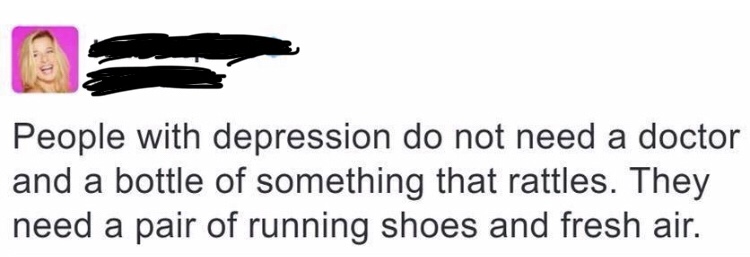
Somewhere in the UK a person hops on twitter and despite all of the above, posts this:

Oh dear.

I have seen an increasing amount of people online demonise medication, whether it be antidepressants or vaccinations and honestly, it angers me.

This blog will focus solely on antidepressants.

As someone that has been on Sertraline for almost 5 years, I can say that they changed my life. I went from lying in bed all day, eating maybe 300 calories and sleeping for 16+ hours, to getting out and finding joy in life again.
Hopefully, all being well, I’ll be looking to start the process of coming off them in the next few months.

Now, don’t get me wrong, there is absolutely nothing wrong with deciding against taking antidepressants. That is your choice and I wholeheartedly respect it. I am also an advocate of a healthy diet and exercise as a way to tackle depression.

Antidepressants don’t work for everyone and other people do not react well to certain types.
It is also important to note that they are not a perfect wonder drug and it’s important to speak with your doctor about the pros and cons and any concerns before taking the next step.

I am not however, an advocate of posts giving out misinformation and scaring people away who are struggling and looking for help. I’m also not an advocate of criticising the choices people make to tackle their issues and improve their well-being.

I’d like to address some popular beliefs about antidepressants


Taking medication is a sign of weakness

As the saying goes “you wouldn’t be called weak for having a cast fitted for a broken arm,” so why is what is essentially a cast for your mind any different? If you feel like you are unable to cope and are looking for a solution, there is no shame in contacting your doctor to look at your options. It is a positive step and can take a lot of courage to do (I know it did for me). Medication is a way of taking good care of yourself. It is thought around 70.9 million people in 2018 used anti depressants for anxiety and depression in the UK. You are definitely not alone.

Antidepressants will make you suicidal

I’m not going to lie, before I started on Sertraline, my doctor did warn me that for the first month, I may feel worse before I feel better. She also said that if I did start to feel suicidal or have suicidal thoughts to get in touch immediately. Alternatively if you are unable to get in with your GP straight away and ending your life is a serious consideration for you, visit your local hospital or contact the emergency services. During your first month or two, your GP will monitor you closely to see how you are doing. However other research suggests that the risk of suicide is no higher than a placebo.

Antidepressants are a life long addiction

Different people will take antidepressants for a different amount of time, the aim is to make you feel balanced and to get your depression under control. At this point you and your doctor will discuss next steps and may looking at stopping in a controlled way. Some people do take antidepressants for a long-period of time, others don’t. It all depends on your situation. Your body will exhibit mild withdrawal symptoms, known as Discontinuation Syndrome during the process of coming off of your medication (or more severe symptoms of you stop suddenly, which is strongly discouraged)

Antidepressants are a ‘happy pill’

It’s important to be aware that antidepressants aren’t designed to make you feel happy. They are there to make you feel balanced. They will lessen you symptoms of depression. For example, they can give you more energy, motivation and can make you feel less flat.

Antidepressants are the solutions to all your problems

As said before, medication can improve your situation, but it not a quick fix. Treatment works best as a mixture of medication and therapy. On top of this, self-care is very important. A healthy diet, exercise, a healthy amount of sleep and taking time to do things you enjoy can help you feel balanced.

The side effects are bad

The initial couple of months while your body is adjusting, you may have some symptoms such as nausea, drowsiness, diarrhea/constipation, dizziness among others. These symptoms usually go away as the weeks progress. If however these persist, you have symptoms such as suicidal ideation/intent or you continue to feel worse, get in touch with you GP and they will look to try you on a different medication. There are several different options for you, so don’t be disheartened if the first drug you try doesn’t work.

If I don’t start feeling better after the first couple of weeks, they aren’t working

In the first month it can be difficult to tell whether your medication is working. At this point your body is still getting used to the changes so it’s very important that you don’t stop taking them and you continue to take them consistently. To get from severe depression to where I am now, I would say it took about 10 months and some therapy. If however after a month or so you don’t feel like it is doing anything at all, speak with your GP and look at your options.


Everyone has their own battle to fight and should be able to do so without judgement. Whether you rely on medication or a more natural approach, we are in this together. Lets support each other.

Will I Always Be Agoraphobic?

It’s been 5 years now since my panic attack And while I have definitely improved over the years, I am still definitely not your average girl.

I have been wondering quite a lot recently whether if I continue to step out of my comfort zone, this will all go away.

I can move around my hometown quite easily, although if I need to travel any further or I have to be somewhere, I still get very anxious before leaving the house.

I’m still using unhelpful coping behaviours (wearing loose clothes, carrying water, excessive planning) which I am working on.

Eating out at restaurants is still impossible unless it’s somewhere I’m very familiar with and it’s within a small group.

Socialising is completely out of the window, although I am happy being on my own. I don’t think it’s healthy though.

Thinking about the future, will I have enough time to build a career and travel the world before my baby clock runs out? Or will this be a struggle for years to come?

Who knows?

I think one day I will be able to go and eat food in a large group wearing jeans (I know, I have crazy high aspirations), but will I ever be truly comfortable?

I think one day I will be able to have my dream career, but will I be able to cope with the stress long-term?

I think one day I will look back at this post and smile because everything will be alright

At least I hope so

Japan? Completed It Mate

So a couple of posts back, I spoke about my upcoming trip to Japan.

The day finally came…

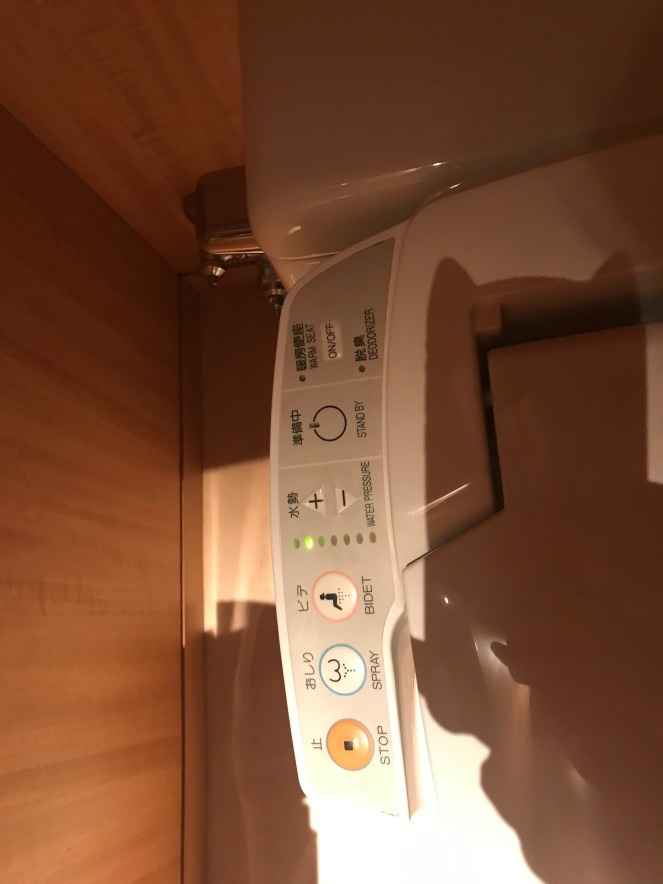
I had a panic attack on the way there and was given oxygen and a wheelchair. I also cried and nearly got a plane back home while waiting for our connecting flight in Dubai. It took me a couple of days after arriving to be confident to leave the hotel and eat outside of my room and a couple more after that to go any further than the park across the road.

But

After pushing myself every day, planning and taking care of myself, I can say that is the happiest and most accomplished I have felt it a very very long time.


A few achievements:

  • Getting on an insanely crowded train
  • Travelling to the other side of Tokyo on my own
  • Visiting an art gallery with limited signs, no floor plan and hard to find exhibits.
  • Braving the tiny aisles of Don Quijote at an insanely busy time
  • Getting completely lost and keeping my head (Embarrassed to say more than once and I had Google Maps)
  • Travelling 11 hours to Dubai, getting 3 hours sleep and then going out to explore with no idea where I was going
  • After getting back to the hotel in Dubai, going straight to the hotel restaurant, eating a meal quickly and getting in a car back to the airport. No time for resting.
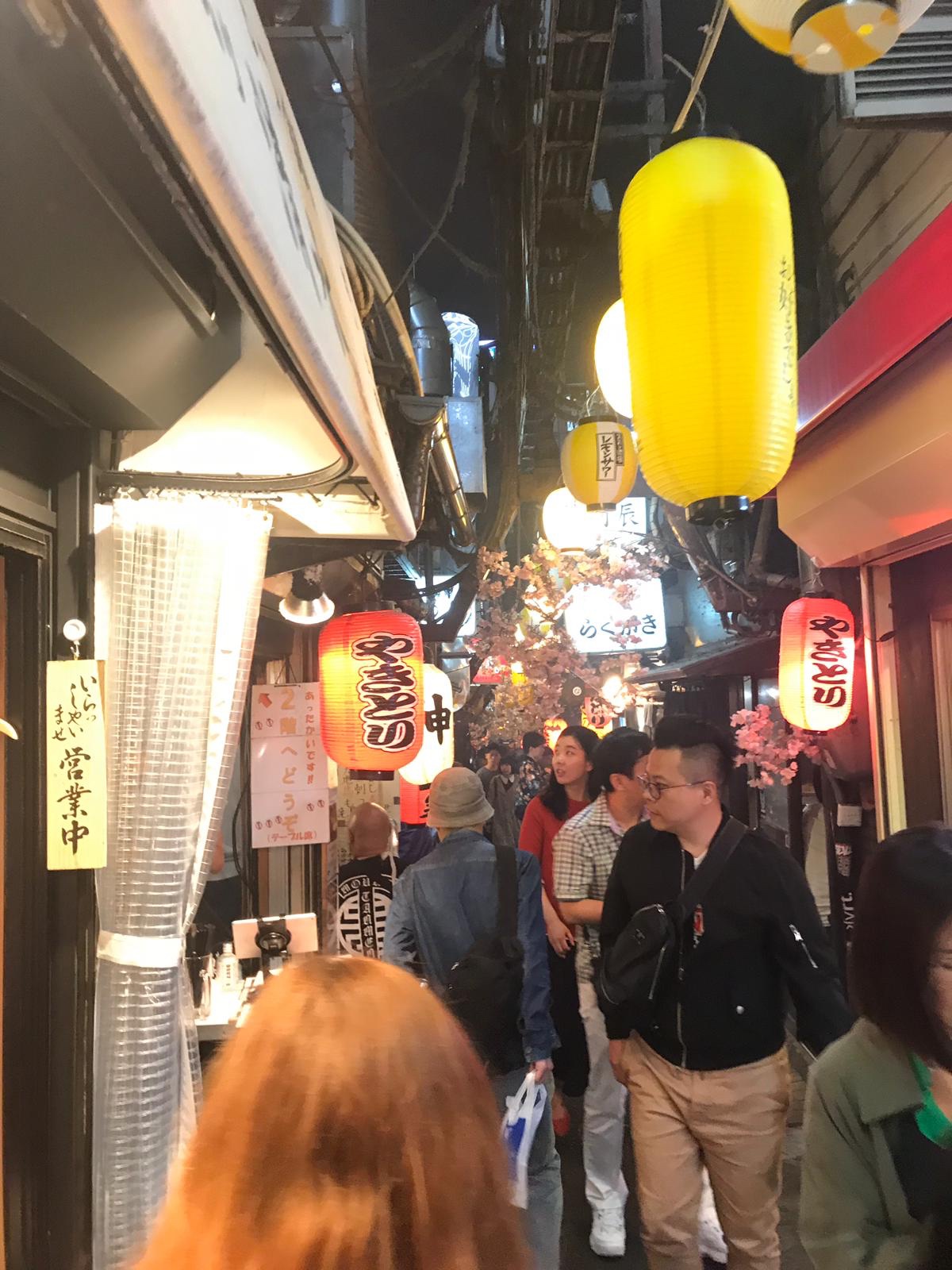
  • Braving the Shinjuku station area at rush hour
  • Catching 11 trains in one day (my feet are still recovering from the adventuring).

Safe to say I thrived.

I feel like a different person in all honesty.

If you are looking for something completely different to your everyday and feel ready for the challenge, I would definitely recommend Tokyo.

Here’s why…


As I travel more and see more countries, I’ll be able to make more posts giving you the run down. I know before I went, I had seen good reviews from anxious travelers, but I had hoped for something a little more comprehensive. I hope you find this useful.

Get in touch if you have any questions and I will answer them the best I can!


โ€œWhat if?โ€ & Why It’s Holding You Back

โ€œWhat ifsโ€ are not in themselves an issue, e.g. “what if the traffic is bad?” As a rationale to leave earlier, ensuring that you arrive on time. The problem comes when the statement starts negatively impacting your daily functioning. E.g. “what if the traffic is bad?” As an excuse to stay at home in case you have a panic attack and can’t easily get to a ‘safe place.’

This one little phrase and how you approach it can be make or break.

Before I went to therapy, I hadn’t really given much attention to my specific thoughts, only “oh my god I need to leave now!” However after sitting down with my therapist, she made me realise that the anticipation of leaving the house culminated in a lot of “what if?”

Here are some I still battle with:

  • “What if I get to the restaurant and it’s busy and I need to leave? What will people think?”
  • “What if I’m with people that don’t understand and I start panicking?”
  • “What if I can’t go back to work without panicking and end up in the same state as last time?”
  • “What if people just think I’m an inconvenience?”
  • “What if I never amount to anything and have wasted my life?”
  • “What if I eat and bloat and then my clothes get too tight and I feel sick?”
  • “What if I get too far away from my ‘base’ and can’t get back easily?”

I know some of these seem silly to most people, I know it’s silly. But in my mind, there is nothing worse than feeling like I have to be in a certain place where I can’t just leave without a) having to explain myself; b) causing a scene or c) ruining the event.
It rules my life and makes me miss out on social events and great opportunities.


Uncertainty

Uncertainty is a major player when it comes to anxiety, especially Agoraphobia. Using ‘what if’ and worrying can make it feel like you are taking back control, preparing for the unknown, when in reality you are solidifying your negative beliefs, affirming your behaviour and continuing the cycle of anxiety.

It can manifest in over-preparing, trying to find solutions to things that are out of your control and avoidance.

It is important to stop and evaluate. Does worrying make anything more certain? For example, does worrying about an exam help you to pass?

Learning to accept uncertainty is an important step.

Little steps such as looking at solutions to problems who’s outcome you can impact as opposed to problems you cannot change can be a reassurance.

Another way could be to keep a diary of facing uncertainties. In which you note:

Diary SectionExample
The SituationThe Train
Feared OutcomeBusy train and panic attack
Actual OutcomeIt was busy, didn’t have panic attack
How You CopedPracticed breathing, rationalised my thoughts


Over time, you will see that you are able to manage uncertain situations and they are not as terrifying as they first seem.

A little CBT and challenging your beliefs can go a long way.

For me this is an ongoing process and no matter how well I do, my initial reaction to leaving the house and the moment before I step out the door is “arghhhh, what if..?”


I’m sure with time I’ll get there and so will you.

Every Superhero Has A Backstory…

I believe my agoraphobia stemmed from the depression and stress of my mum being diagnosed with multiple myeloma a month after I had moved out for the first time for university.

I remember after I graduated and I moved home, I would frequently travel from Nottingham to Birmingham to visit my boyfriend.

By this point it had been 4 years, I had been struggling with my mental health with no medication and no professional help. My brain decided that it had had enough.

17th April 2015, my sister’s birthday. I was supposed to be travelling home from Birmingham for a family meal. The train was booked, my bags were packed.

I couldn’t do it.

My body froze, my mind fogged and I had a huge panic attack. I messaged my sister and told her that I was sick.

The next week was filled with doctors visits for medication to help me get home (which didn’t help) and a long, terrifying message to my parents explaining the truth about what had happened.

A couple of days later and my parents came to collect me.

I. Was. A. Mess.

I got home and became housebound. The town I had known for over 20 years became a place of anxiety and fear.

With a bit of coaxing, I went to the GP who prescribed me some anti-depressants and referred me to a high-intensity therapist for CBT.

With a lot of hard work and support, I was getting there. I was happily working a full time and part time job, as well as volunteering for a youth charity once a week. The anxious feeling was still there, but manageable and I started to venture out more and more.

In October 2017 after a 6 year battle with cancer, my mum passed away and for a month I went and ate at restaurants, navigated through busy places and crowded rooms, completely numb.

A couple of months later, I quit one job and spent the rest of my time crying and being sick at my full-time, high pressure job. Management and colleagues were so understanding, but ultimately I was in no place to continue. It was sad, but it was the best decision I’ve made.

It’s been 11 months living off of dwindling savings and fearing that I will be unable to hold down a job in case I am stuck in the same unmanageable situation. I slowly regressed back into being a homebody, cutting everyone out. I have worked through my grief and am trying hard everyday to take my life back.

Present day, I am pushing myself as much as I can and hope to document my successes and blips. It would be nice to have you along for the journey.

Wish me luck!