A few weeks ago, I was writing a post about how to cope with important plans at short notice and as I was doing a bit of research I found this (see link).
For those who haven’t had time to read the journal, basically people with anxiety and agoraphobia tend to exhibit “safety behaviours.” These are things we do to feel safer, but in the grand scheme of things they are a major cause of persisting anxiety.
When I did some more research, I found a lot of the things I did and still do are considered to be in this category. For a while I felt a bit like I had failed and not really made any progress. I felt like I had come so far, only to find that I was superficially coping.
So I had a strop and deleted my post.
After my strop I took a step back and gave it some thought. It’s not the end of the world. I managed to travel across the world, get on public transport, go out for meals with small groups of people and spend a day away from home without being sick. So they’re useful…right?
Below is a list of my safety behaviours and the thought process behind each one. I will order them from most used to least used.
(If you are a mobile user, I suggest using landscape view)
It can be easy for an outsider to look at these and see how irrational they are and for the most part I can see it too. Although during editing, I was reading through and still rationalising them to myself. It is how I have lived my life for the past few years, it’s a difficult thought process to break.
Misattribution Theory suggests that by carrying out these behaviours, we are reinforcing the idea that there is a threat and our actions or thoughts are what keeps us safe, when in reality we are safe and what we do to try and protect ourselves change nothing.
We are meant to be trying to control our anxiety, not limiting our exposure to it.
So to answer my earlier question, no. They are not useful.
Start by tackling smaller or lesser used behaviours, ticking them off your list one at a time. Then work your way up to your most used behaviours. While it may seem challenging at first, stick with it. You’ll soon realise that your bottle of water and your clothing don’t really protect you from anything . Just take it one step at a time, keep a diary of your successes and work hard. You’ll get there.
I have some more tips for tackling uncertainty and “what ifs” in an older post.
I’m trying my best to change my behaviours, some I’m actively working on and others…well I’m not quite ready to say goodbye yet.
I am by no means an expert on this subject. My first (almost) airport experience was in December last year; I was having a panic attack outside. It all ended with me going home and missing out on the Christmas markets of Berlin. My fellow agoraphobics will know the stress of feeling like you can’t escape. For me, that’s what going past security signifies for me.
My last airport experience was 5 months later in May. I was returning from an amazing time in Tokyo. A 29 hour, action-packed travel experience.
I’m not going to lie and say it was an easy 5 months prior to getting on the plane, nor was the experience of getting to Japan anything resembling the pictures on the airport website. I would however like to share what I have learnt and how I managed to make my holiday and the journey back something to be proud of.
For those taking your first steps into the world as an agoraphobic such as myself, or as an anxious traveller in general, it will take some hard work, time and preparation, but I promise you it will be worth it.
Before you book…
Tackling anxiety begins before you book the holiday. I know it seems a bit excessive, but trust me on this one.
A basic tip is to choose the month you travel carefully. As someone with no children, I have the luxury of being able to travel whatever time of year suits me, however I know this is not the case for others. July and August (summer holidays in the UK) are some of the busiest times for UK airports with everyone and their nan escaping the English “summertime” for somewhere that reaches above 12c. Half-terms and bank holidays are also subject to crowds. If you are in this situation, never fear, there are plenty of tips here for you.
For those with a bit of flexibility, I would recommend May as the Easter holidays are over and with May Day out of the way, there are 3 weeks in which to get a holiday in. This is what I did, flying out on 13th May. However January, March and September are also months to consider and as they are classed as ‘off-peak’ times, prices are usually cheaper. Win-win!
A useful feature Google has implemented is the ‘popular times’ section, which you will find when you search for your location. There will be a chart showing how busy it will be during certain times and certain days. Honestly, this feature has been a god send for me. I can go out and explore new places or eat at new restaurants without turning into a puddle of stress beforehand.
Pre-airport (>1 month to go)…
Okay great! You’ve booked your holiday and you didn’t die, but your work is not complete.
Holiday shopping, the time I go and buy new clothes a dress size smaller and pray to the heavens that somehow my unchanged diet and exercise will culminate in a flatter stomach. Not this time though. Before flying I decided to buy clothes I would feel comfortable in all day, no jeans, no tight dresses. Having IBS, I tend to bloat quite considerably after eating a meal. I highly suggest UNIQLO for some high quality, decently priced clothes.
So, you are happy with the immense comfort you are going to be in throughout your holiday (while still looking cute, obviously). Now it’s time to get down to business.
Familiarisation with the airport is an important step for anyone anxious about travelling, especially for the first time. My mistake on my failed first attempt is that I had not even stepped foot inside an airport, never-mind familiarised myself with one. There are a few ways you can do this, however a combination can be most effective.
Physical:
Visiting the airport a couple of times before your flight is very useful. Try to pick a quiet day for your first time and just wander through at your own pace. It may be good to try to visit when it’s a little busier, then you can get a feel for what you may be faced with on the day. If you’re feeling particularly adventurous, sit and have some food. Make sure you take note of where your check-in desk will be, where the special assistance counter is and where security is. Don’t feel you have to go on your own, it may be useful to take a person you are travelling with.
Try before you fly: I will be making a post of a lot of try before you fly opportunities in UK airports at a later date, however in the mean time I will briefly give you a run down. Many airports offer this throughout the UK to help the thousands of people who are anxious travellers or are travelling for the first time. East Midlands airport, for example, offer a free service which allows a tour of the airport (including through security) and the staff are incredible! You will be able to go through each step of the airport process in the company of fully trained staff, asking any questions you have. Honestly, it’s a huge confidence boost and I would recommend it to anyone.
Fear of flying courses are a good way to get used to the layout of a plane and the feeling of taking off an landing if it’s your first time. I personally haven’t done one of these as the flying part was not a source of anxiety. Most airports offer this service and there are a number of airlines with information about courses they offer. Please note that these are not free and prices may vary. Do some research and find out which course sounds the best for you.
Digital:
Looking through the airport maps and layouts gave me a good idea of what I was going to be faced with after security at Birmingham airport. What shops there were, where the lounge was and most importantly, where could I purchase snacks! If you are nervous, take the maps with you on the day and use them for reference, however I found that once I was there, everything is so clearly signed, I didn’t need them.
YouTube videos are also a good way to get a feel for the airport, especially if you are unable to travel to there before hand. Look at the most recent videos of the airport to see how busy it is and how everything looks. I found this to be relaxing on many of my sleepless nights on the run up to the day.
Special assistance can cover a lot of things. While it can mean providing wheelchairs, it can also be used by people who have hidden disabilities. In Birmingham Airport for example they can escort you through certain areas of the airport and you can even bypass some areas (e.g duty free) altogether if you, or the person you are travelling with get over-stimulated. There are also access to special use toilets which remind people that not all disabilities are visible, which I found comforting. Make sure you book this in advance (at least 48 hours), but I would recommend booking earlier as the airline I flew with advised that they did not provide this service, so I had to speak with airports individually. This isn’t the same with all airlines and some even have a section on the website where you can fill in a form indicating what service you need. You can find more information on the CAA website, or your airline/airport website. If you have any questions, get in touch with them directly, in my experience they will go above and beyond to help.
Checking medication is important if you are travelling somewhere like Dubai. Their medication list can seem a little confusing, however if in doubt, go to the UAE Health and Pevention website and submit an application so your medication is approved prior to your arrival. You will need a signed letter from your doctor confirming you’re not dodgy. However, after all the stress and anxiety the whole situation caused, they didn’t even question anything. So really, unless you are hiding narcotics up your bum, I wouldn’t worry.
Pre-airport (1/2 weeks before)
Packing: to ensure a stress free experience, write a list of outfits and essentials, ticking things off as you pack them. I would also invest in packing cubes to maximise the space in your case and make it easy to find everything.
When packing your hand luggage, make sure you put all your toiletries in a clear plastic seal-able bag and ensure that everything you take complies with airport policy. Leave this in an easily accessible place as you will need to take it out at security. Put your medication in your hand luggage with your prescription and doctors note (if required), again if they question it, all documentation is together and limits the stress. Put your boarding pass, passport and ticket at the front of your bag for easy access, you’ll need these throughout the airport during departure and arrival.
Green lanyard: another useful tip for those with hidden disabilities is the green lanyard. These are available in all UK airports for free. Some places will post them to you, however if you go to the special assistance counter on the day of travel, they will be able to give you one no problem. The lanyard is there to discreetly signal to staff that you have a hidden disability, this can be a comfort to those worried about security. When it is busy, you may be asked if you would like to use express lanes, however this is at the discretion of the staff. Please note, the lanyard does not automatically give you extra support, staff will not usually provide assistance, unless asked.
Get Apps
It’s true when they say that there’s an app for everything. I will be writing about my most used apps for mental health in a couple of weeks, but for now, I’ll give you a short rundown of some apps you might find useful for the airport.
Airline app: this is a must for me, I was able to check in, download an e-boarding pass; look at the food available on my flights; choose my seat and even make a playlist of films and TV shows I was going to watch during my flight. It’s just an easy way to have all the information at your fingertips.
Companion: this is basically pocket CBT. You are able to use it for free, or pay a monthly subscription, which really isn’t expensive, to access all of the features. You can document thoughts, learn about anxiety, practice relaxation and much more. Definitely worth checking out.
Podbean: podcasts seem to be the new ‘in’ thing. With Podbean, you are able to download podcasts to listen to offline, so anywhere, anytime, pop your headphones in and relax. My current faves are the Abroad in Japan podcasts and Lets read, a collection of creepy stories.
Member perks: if you are looking for a good deal or love freebies (let’s be honest, who doesn’t?) it may be worth signing up to be a member of the airline or hotel you will be using. I decided to sign up to become a member of my airline and was able to access WiFi for the whole 11 hour flight, instead of the 2 hours as is standard. It took 30 seconds to do and it was free! It may also give you discounted lounge access (depending on who you fly with).
Check in online: especially if you think it is going to be busy, checking in online is quick and stress free. Once you get to the airport, there may be a different queue for you to just drop your bag off. It’s a great way to speed up the airport process and limit the time you will be queuing. You may be able to pick your seat earlier dependent on the class and airline you are travelling with.
Entertainment: this is a must, especially if you have a long wait. If you have children, look to see whether there is a play area where they can let off some steam before getting on the flight. A deck of cards, a colouring book, something to keep you mentally stimulated can make it feel less like you are waiting to die. A good podcast and a wander round the shops is my preference.
The night before…
The first time I attempted to fly, it was an early morning flight and I hadn’t got a great nights sleep. When I’m tired, I don’t cope well with any amount of stress. Safe to say, I wasn’t on the plane when it took off.
My second, successful attempt, I took some sleep medication and got an early night. The next morning, while it wasn’t all sunshine and daisies, I was more willing to push myself and manage my anxiety.
But what about before that?
The sun is setting and the reality of the situation hits you like…well, a plane.
My evening consisted of hitting the gym, then immediately going home and eating a takeaway. Put a face mask on, horror film on the big telly. Sorted. I also went through the entire process with my partner, from waking up to getting on the plane. It really helped to clear my mind of any worries and doubts floating around in my head.
If you have a distance to travel the next day, maybe consider staying at an airport hotel, so the next day you can wake up and walk across the road. Personally I find a bit of a drive calms me down, but everyone is different.
Finally, if you are travelling for the first time, or with new people, let them know what you need from them. My fellow travel companions got a firm, no nonsense “don’t talk to me”. It’s a miracle that they still put up with me. If you need to be left alone or whether you need little whispers of encouragement, let them know, they will understand.
But remember a good nights sleep is really important.
T-day…
So the day has arrived. All your months of preparation are now being put into practice. You’ve been to the airport before. You’ve watched the YouTube videos. Everything is organised. You know what to do and where you are going. You. Got. This.
Get there in plenty of time; I got there maybe 3 hours before, dropped my bag off and headed for the special assistance counter to get my lanyard. I’m not going to lie, it was still tough and a tear or ten was definitely shed, but instead of thinking “I can’t do this, I need to leave NOW!” I was thinking “I am going at my own pace, I will get there.” I sat at a quiet restaurant opposite security and waited for it to be quiet. I gave myself plenty of time so I never felt rushed and could stop and breathe without fear of missing my flight.
Express security: if it looks busy or you feel like you need to get it over with, think about maybe purchasing express security if offered. However if they see your green lanyard, they may invite you to go through free of charge. Speak with the staff member at the security desk and look at your options.
Lounge access: I was lucky enough to have lounge access for my flight and I couldn’t recommend it enough. It is away from all the hustle and bustle of the airport and depending on which lounge you choose, there are showers, food, drinks and toilets available to you. It gives you a chance to regroup in a quiet, relaxed environment before you get on the flight and continue your journey. Prices vary and as mentioned before, it is worth looking at any membership benefits that may give you discounts.
Wear comfy and easy clothes. What I mean by this is don’t wear your fancy chain trousers or your suit of armour. Anything metal such as belts, jewellery, jackets and sometimes shoes have to be removed before walking through the metal detector. On the other side you will be subject to a quick pat down, so the more simple and light your clothing, the quicker it will be over and done with. If you are not comfortable with doing this in the open, there are sectioned off areas where this can take place. These areas are also a good place to get yourself together before continuing on.
Make sure your phone is fully charged. At some airports they may ask you to show that your phone turns on before they allow you to take it on the flight. To prevent any doubt, make sure your phone is fully charged before you enter the airport. This way you can also make sure you have enough battery to play games, listen to podcasts and text before you get on the plane.
What not to do:
Alcohol: It may be tempting to have a little liquid courage before getting on the plane and one won’t hurt. Just remember if you have one too many, the staff will probably tell you that you aren’t able to fly.
Caffeine: For obvious reasons.
Suffer in silence: If you are having a really difficult time, speak to a staff member. They will be able to point you in the direction of a quiet area or maybe even have quiet rooms available to you.
So that’s it. That’s the post.
Feel free to contact me with any questions and I will help as much as I can.
Disclaimer: I am not a medical professional. If you feel like you may have depression or you would like more information about medication or alternatives, please speak with your doctor.
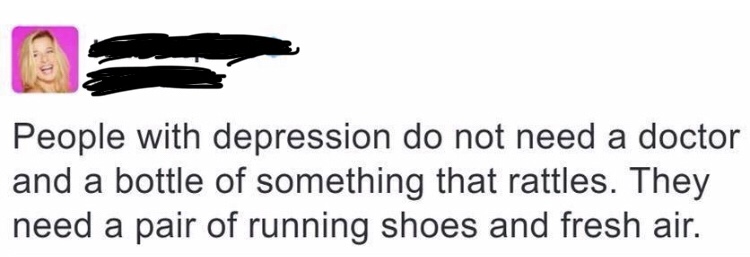
It’s 2019. Science is the frontier of progress. Medical research has produced millions of peer-reviewed papers. Mental health is a hot topic and is gaining a lot of merit and understanding.
Somewhere in the UK a person hops on twitter and despite all of the above, posts this:
Oh dear.
I have seen an increasing amount of people online demonise medication, whether it be antidepressants or vaccinations and honestly, it angers me.
This blog will focus solely on antidepressants.
As someone that has been on Sertraline for almost 5 years, I can say that they changed my life. I went from lying in bed all day, eating maybe 300 calories and sleeping for 16+ hours, to getting out and finding joy in life again. Hopefully, all being well, I’ll be looking to start the process of coming off them in the next few months.
Now, don’t get me wrong, there is absolutely nothing wrong with deciding against taking antidepressants. That is your choice and I wholeheartedly respect it. I am also an advocate of a healthy diet and exercise as a way to tackle depression.
Antidepressants don’t work for everyone and other people do not react well to certain types. It is also important to note that they are not a perfect wonder drug and it’s important to speak with your doctor about the pros and cons and any concerns before taking the next step.
I am not however, an advocate of posts giving out misinformation and scaring people away who are struggling and looking for help. I’m also not an advocate of criticising the choices people make to tackle their issues and improve their well-being.
I’d like to address some popular beliefs about antidepressants
Taking medication is a sign of weakness
As the saying goes “you wouldn’t be called weak for having a cast fitted for a broken arm,” so why is what is essentially a cast for your mind any different? If you feel like you are unable to cope and are looking for a solution, there is no shame in contacting your doctor to look at your options. It is a positive step and can take a lot of courage to do (I know it did for me). Medication is a way of taking good care of yourself. It is thought around 70.9 million people in 2018 used anti depressants for anxiety and depression in the UK. You are definitely not alone.
Antidepressants will make you suicidal
I’m not going to lie, before I started on Sertraline, my doctor did warn me that for the first month, I may feel worse before I feel better. She also said that if I did start to feel suicidal or have suicidal thoughts to get in touch immediately. Alternatively if you are unable to get in with your GP straight away and ending your life is a serious consideration for you, visit your local hospital or contact the emergency services. During your first month or two, your GP will monitor you closely to see how you are doing. However other research suggests that the risk of suicide is no higher than a placebo.
Antidepressants are a life long addiction
Different people will take antidepressants for a different amount of time, the aim is to make you feel balanced and to get your depression under control. At this point you and your doctor will discuss next steps and may looking at stopping in a controlled way. Some people do take antidepressants for a long-period of time, others don’t. It all depends on your situation. Your body will exhibit mild withdrawal symptoms, known as Discontinuation Syndrome during the process of coming off of your medication (or more severe symptoms of you stop suddenly, which is strongly discouraged)
Antidepressants are a ‘happy pill’
It’s important to be aware that antidepressants aren’t designed to make you feel happy. They are there to make you feel balanced. They will lessen you symptoms of depression. For example, they can give you more energy, motivation and can make you feel less flat.
Antidepressants are the solutions to all your problems
As said before, medication can improve your situation, but it not a quick fix. Treatment works best as a mixture of medication and therapy. On top of this, self-care is very important. A healthy diet, exercise, a healthy amount of sleep and taking time to do things you enjoy can help you feel balanced.
The side effects are bad
The initial couple of months while your body is adjusting, you may have some symptoms such as nausea, drowsiness, diarrhea/constipation, dizziness among others. These symptoms usually go away as the weeks progress. If however these persist, you have symptoms such as suicidal ideation/intent or you continue to feel worse, get in touch with you GP and they will look to try you on a different medication. There are several different options for you, so don’t be disheartened if the first drug you try doesn’t work.
If I don’t start feeling better after the first couple of weeks, they aren’t working
In the first month it can be difficult to tell whether your medication is working. At this point your body is still getting used to the changes so it’s very important that you don’t stop taking them and you continue to take them consistently. To get from severe depression to where I am now, I would say it took about 10 months and some therapy. If however after a month or so you don’t feel like it is doing anything at all, speak with your GP and look at your options.
Everyone has their own battle to fight and should be able to do so without judgement. Whether you rely on medication or a more natural approach, we are in this together. Lets support each other.
It’s been 5 years now since my panic attack And while I have definitely improved over the years, I am still definitely not your average girl.
I have been wondering quite a lot recently whether if I continue to step out of my comfort zone, this will all go away.
I can move around my hometown quite easily, although if I need to travel any further or I have to be somewhere, I still get very anxious before leaving the house.
I’m still using unhelpful coping behaviours (wearing loose clothes, carrying water, excessive planning) which I am working on.
Eating out at restaurants is still impossible unless it’s somewhere I’m very familiar with and it’s within a small group.
Socialising is completely out of the window, although I am happy being on my own. I don’t think it’s healthy though.
Thinking about the future, will I have enough time to build a career and travel the world before my baby clock runs out? Or will this be a struggle for years to come?
Who knows?
I think one day I will be able to go and eat food in a large group wearing jeans (I know, I have crazy high aspirations), but will I ever be truly comfortable?
I think one day I will be able to have my dream career, but will I be able to cope with the stress long-term?
I think one day I will look back at this post and smile because everything will be alright
So a couple of posts back, I spoke about my upcoming trip to Japan.
The day finally came…
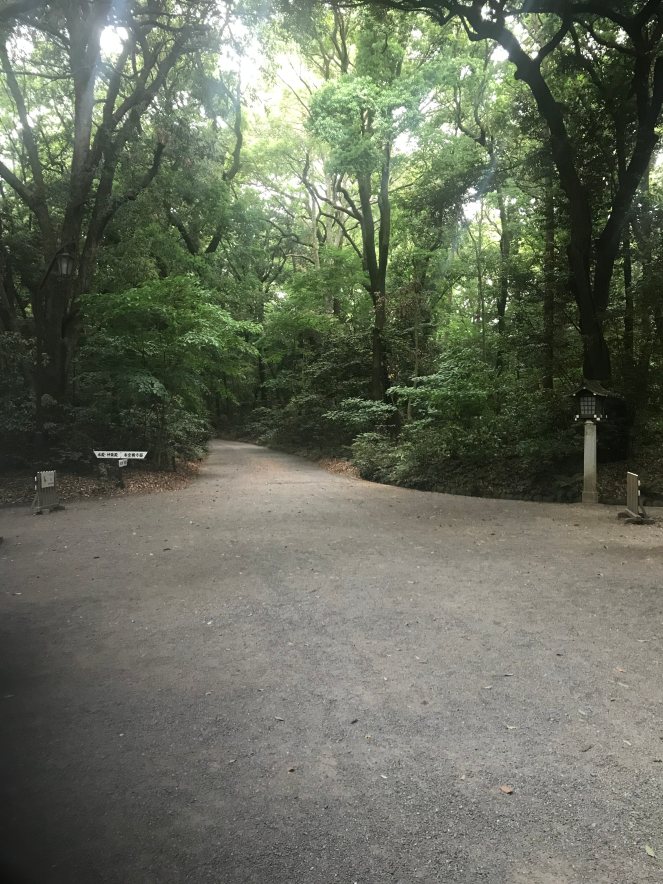
I had a panic attack on the way there and was given oxygen and a wheelchair. I also cried and nearly got a plane back home while waiting for our connecting flight in Dubai. It took me a couple of days after arriving to be confident to leave the hotel and eat outside of my room and a couple more after that to go any further than the park across the road.
But
After pushing myself every day, planning and taking care of myself, I can say that is the happiest and most accomplished I have felt it a very very long time.
A few achievements:
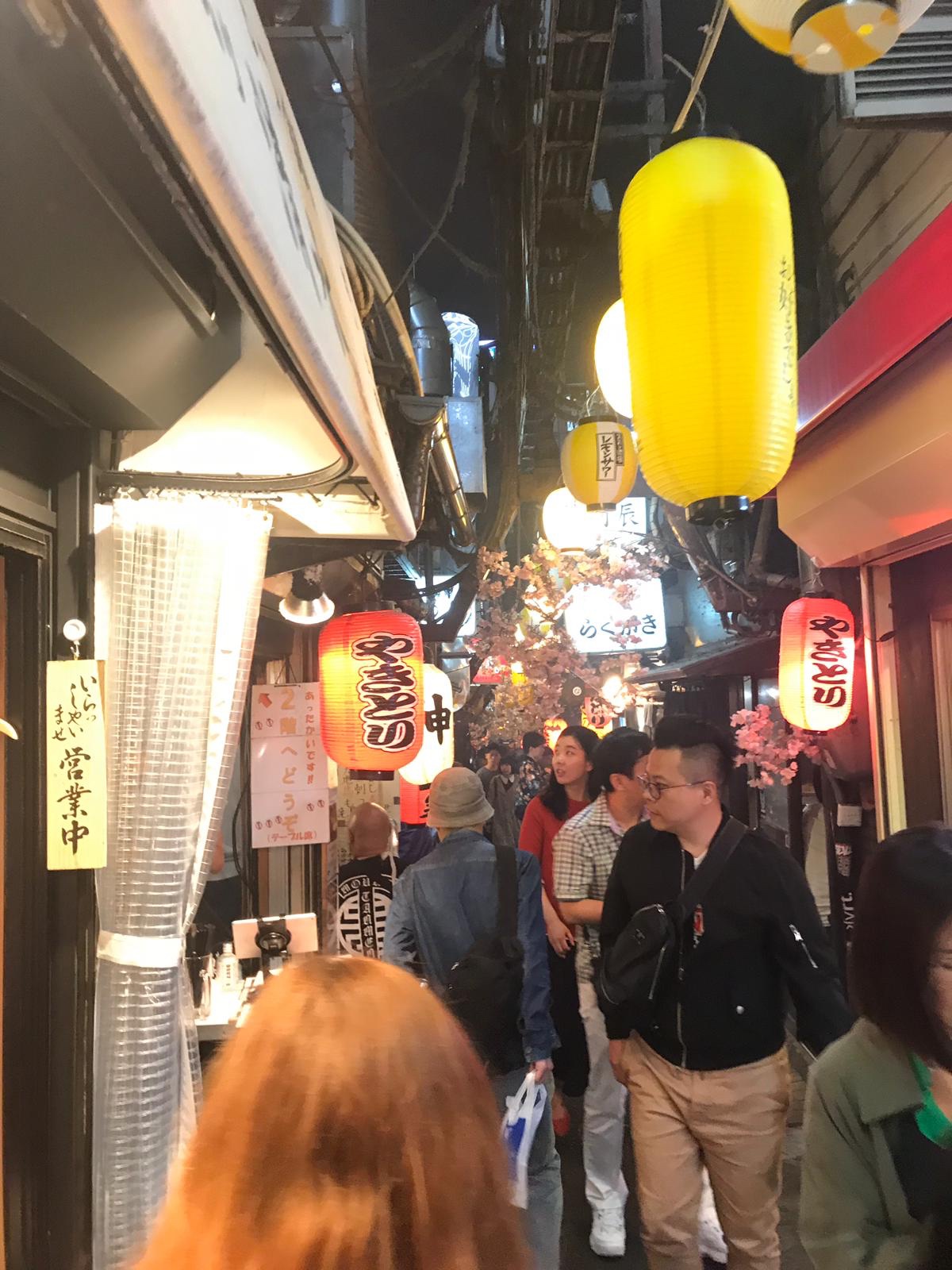
Getting on an insanely crowded train
Travelling to the other side of Tokyo on my own
Visiting an art gallery with limited signs, no floor plan and hard to find exhibits.
Braving the tiny aisles of Don Quijote at an insanely busy time
Getting completely lost and keeping my head (Embarrassed to say more than once and I had Google Maps)
Travelling 11 hours to Dubai, getting 3 hours sleep and then going out to explore with no idea where I was going
After getting back to the hotel in Dubai, going straight to the hotel restaurant, eating a meal quickly and getting in a car back to the airport. No time for resting.
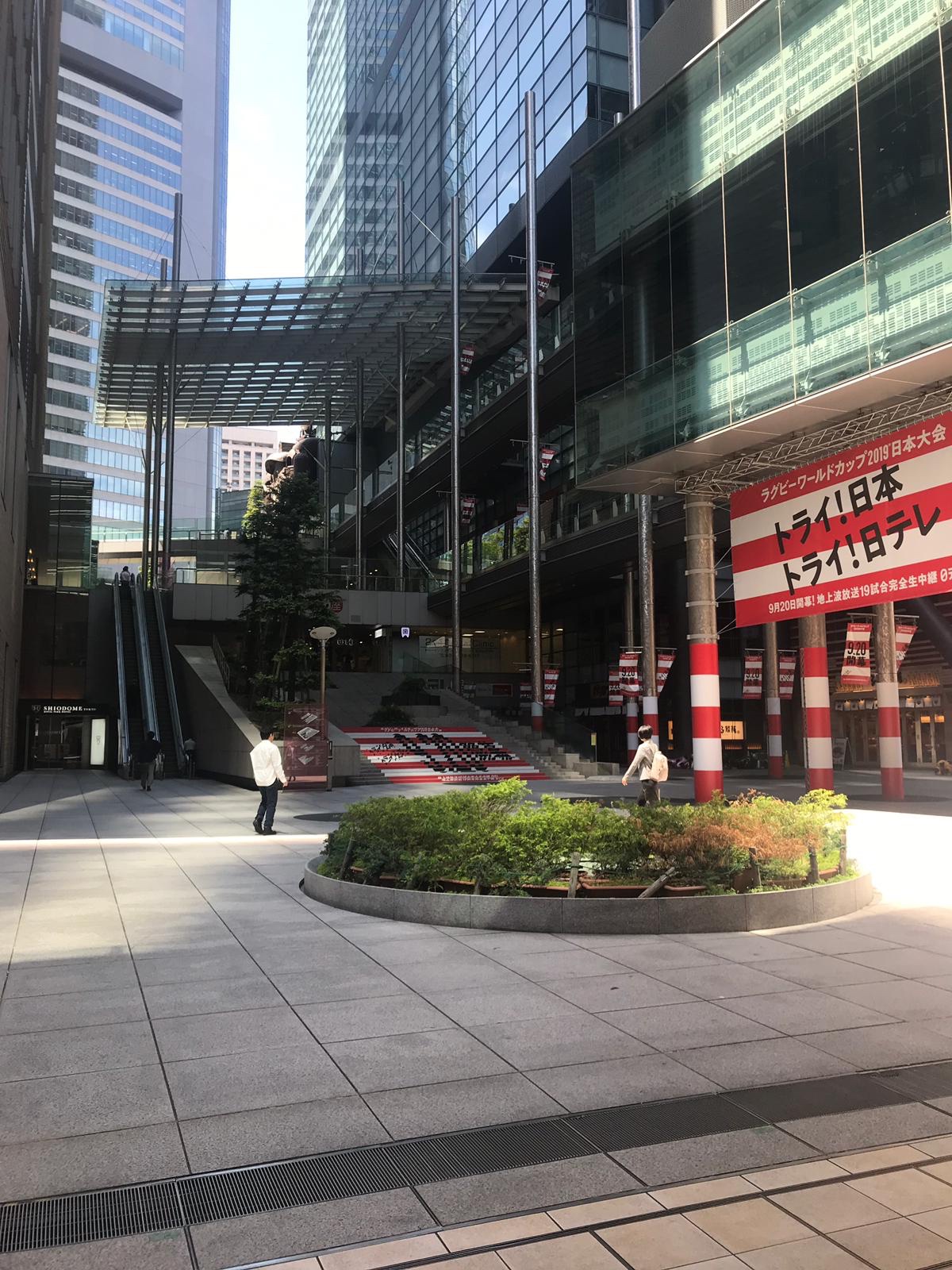
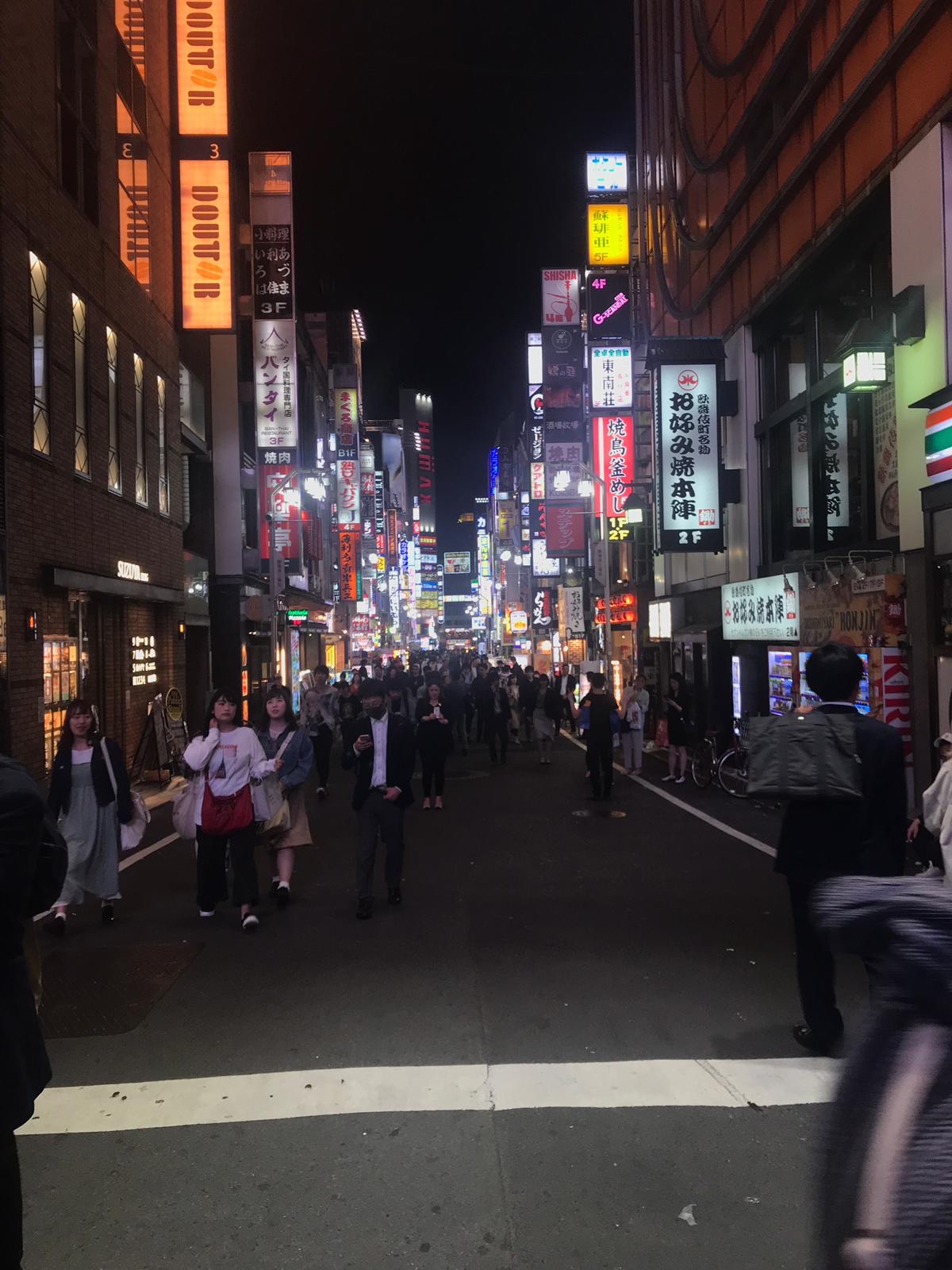
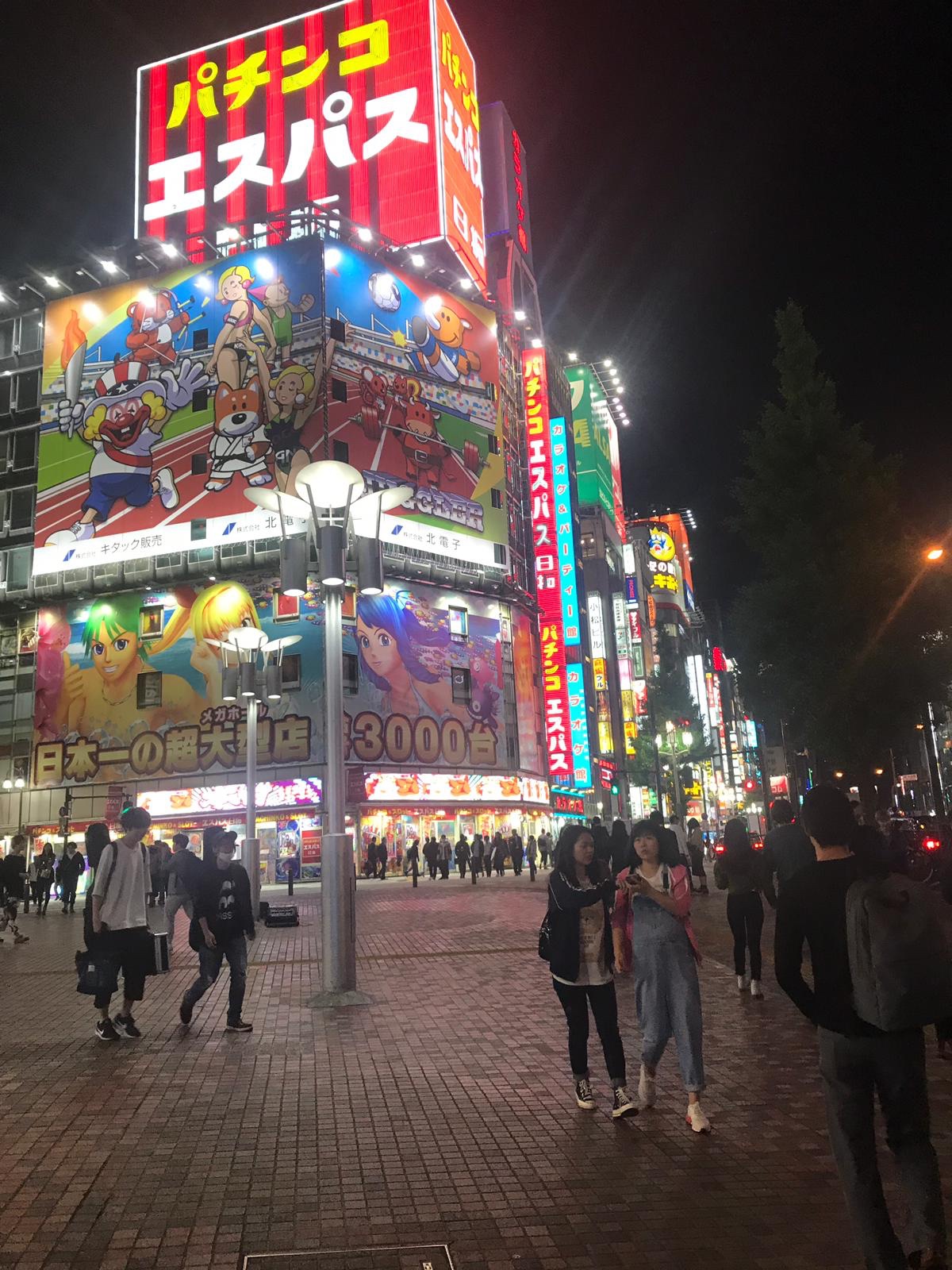
Braving the Shinjuku station area at rush hour
Catching 11 trains in one day (my feet are still recovering from the adventuring).
Safe to say I thrived.
I feel like a different person in all honesty.
If you are looking for something completely different to your everyday and feel ready for the challenge, I would definitely recommend Tokyo.
Here’s why…
As I travel more and see more countries, I’ll be able to make more posts giving you the run down. I know before I went, I had seen good reviews from anxious travelers, but I had hoped for something a little more comprehensive. I hope you find this useful.
Get in touch if you have any questions and I will answer them the best I can!
“What ifs” are not in themselves an issue, e.g. “what if the traffic is bad?” As a rationale to leave earlier, ensuring that you arrive on time. The problem comes when the statement starts negatively impacting your daily functioning. E.g. “what if the traffic is bad?” As an excuse to stay at home in case you have a panic attack and can’t easily get to a ‘safe place.’
This one little phrase and how you approach it can be make or break.
Before I went to therapy, I hadn’t really given much attention to my specific thoughts, only “oh my god I need to leave now!” However after sitting down with my therapist, she made me realise that the anticipation of leaving the house culminated in a lot of “what if?”
Here are some I still battle with:
“What if I get to the restaurant and it’s busy and I need to leave? What will people think?”
“What if I’m with people that don’t understand and I start panicking?”
“What if I can’t go back to work without panicking and end up in the same state as last time?”
“What if people just think I’m an inconvenience?”
“What if I never amount to anything and have wasted my life?”
“What if I eat and bloat and then my clothes get too tight and I feel sick?”
“What if I get too far away from my ‘base’ and can’t get back easily?”
I know some of these seem silly to most people, I know it’s silly. But in my mind, there is nothing worse than feeling like I have to be in a certain place where I can’t just leave without a) having to explain myself; b) causing a scene or c) ruining the event. It rules my life and makes me miss out on social events and great opportunities.
Uncertainty
Uncertainty is a major player when it comes to anxiety, especially Agoraphobia. Using ‘what if’ and worrying can make it feel like you are taking back control, preparing for the unknown, when in reality you are solidifying your negative beliefs, affirming your behaviour and continuing the cycle of anxiety.
It can manifest in over-preparing, trying to find solutions to things that are out of your control and avoidance.
It is important to stop and evaluate. Does worrying make anything more certain? For example, does worrying about an exam help you to pass?
Learning to accept uncertainty is an important step.
Little steps such as looking at solutions to problems who’s outcome you can impact as opposed to problems you cannot change can be a reassurance.
Another way could be to keep a diary of facing uncertainties. In which you note:
Diary Section
Example
The Situation
The Train
Feared Outcome
Busy train and panic attack
Actual Outcome
It was busy, didn’t have panic attack
How You Coped
Practiced breathing, rationalised my thoughts
Over time, you will see that you are able to manage uncertain situations and they are not as terrifying as they first seem.
A little CBT and challenging your beliefs can go a long way.
For me this is an ongoing process and no matter how well I do, my initial reaction to leaving the house and the moment before I step out the door is “arghhhh, what if..?”
I’m sure with time I’ll get there and so will you.
It’s perfectly reasonable for an agoraphobic who has never left England to travel to the other side of the world, to a place with a completely different language, culture and some insanely busy streets….right?
So last year when I was still working, my sister, dad and I booked a once in a lifetime trip to Tokyo as I kind of retreat after the loss of mum. I was apprehensive, but hey, I was working 3 jobs and was emotionally stable, it’d be fine.
In the 10 months that followed, I had quit all of my jobs and had a bit of a mental breakdown.
I’ve been trying really hard to get myself back on track to make sure that I can actually get on the plane, unlike my recent failed Berlin attempt.
So, what am I doing about it?
Plan Plan Plan! If I was on Mastermind, this journey would be my specialist subject. I know everything. From the layout of the airports to every way to get to the hotel once we’ve arrived. I would like to note that this is really not a healthy level of planning and I know that, but it’s my first trip, cut me a bit of slack!
Make it easier Special assistance is getting sorted; my green lanyard is sorted out and ready for collection (I will expand on this in a later blog) and I’ve visited the airport a couple of times.
Don’t kid yourself
It’s going to be stressful; it is going to be busy and there is every chance that I will have a panic attack. It’s just a part of the journey I will have to accept. The first step is always the hardest.
Prepare Packing lists are my best friend, use them wisely. Download podcasts for the airport and flight. Make sure I have money for snacks (very important!) Pleeaaaseee don’t forget medication!
Learn important phrases
Familiarise myself with useful phrases such as:
“Where is the convenience store?” and “For the love of God, somebody please help me”
Get excited
Excitement and anxiousness produce the same physical response in many respects, it’s the way we approach them that determines everything.
I’m going on holiday, I’m going to see some amazing things and maybe re-enact Lost in Translation.
I believe my agoraphobia stemmed from the depression and stress of my mum being diagnosed with multiple myeloma a month after I had moved out for the first time for university.
I remember after I graduated and I moved home, I would frequently travel from Nottingham to Birmingham to visit my boyfriend.
By this point it had been 4 years, I had been struggling with my mental health with no medication and no professional help. My brain decided that it had had enough.
17th April 2015, my sister’s birthday. I was supposed to be travelling home from Birmingham for a family meal. The train was booked, my bags were packed.
I couldn’t do it.
My body froze, my mind fogged and I had a huge panic attack. I messaged my sister and told her that I was sick.
The next week was filled with doctors visits for medication to help me get home (which didn’t help) and a long, terrifying message to my parents explaining the truth about what had happened.
A couple of days later and my parents came to collect me.
I. Was. A. Mess.
I got home and became housebound. The town I had known for over 20 years became a place of anxiety and fear.
With a bit of coaxing, I went to the GP who prescribed me some anti-depressants and referred me to a high-intensity therapist for CBT.
With a lot of hard work and support, I was getting there. I was happily working a full time and part time job, as well as volunteering for a youth charity once a week. The anxious feeling was still there, but manageable and I started to venture out more and more.
In October 2017 after a 6 year battle with cancer, my mum passed away and for a month I went and ate at restaurants, navigated through busy places and crowded rooms, completely numb.
A couple of months later, I quit one job and spent the rest of my time crying and being sick at my full-time, high pressure job. Management and colleagues were so understanding, but ultimately I was in no place to continue. It was sad, but it was the best decision I’ve made.
It’s been 11 months living off of dwindling savings and fearing that I will be unable to hold down a job in case I am stuck in the same unmanageable situation. I slowly regressed back into being a homebody, cutting everyone out. I have worked through my grief and am trying hard everyday to take my life back.
Present day, I am pushing myself as much as I can and hope to document my successes and blips. It would be nice to have you along for the journey.
















 Life With A